About 38.4 million Americans are living with diabetes, and 1 in 5 don’t know they have it. In Texas, every year, it is estimated that nearly 228,000 new adult diabetes cases are reported.
Diabetes is a chronic (long-lasting) health condition that affects how your body turns food into energy. Over time, that can cause serious health problems, such as heart disease, vision loss, and kidney disease. November is National Diabetes Month and we are here to help our communities recognize the early signs, take preventive action, and access care that makes living with diabetes manageable and meaningful.
The Three Main Types of Diabetes and What to Look For
- Type 1 Diabetes: You can get Type 1 diabetes at any age, but it usually develops in children, teens, or young adults. It happens when the body’s immune system attacks the insulin-producing cells in the pancreas. Because symptoms can develop quickly, sometimes within days, early recognition is critical to get timely diagnosis and the treatment you or your loved one needs.
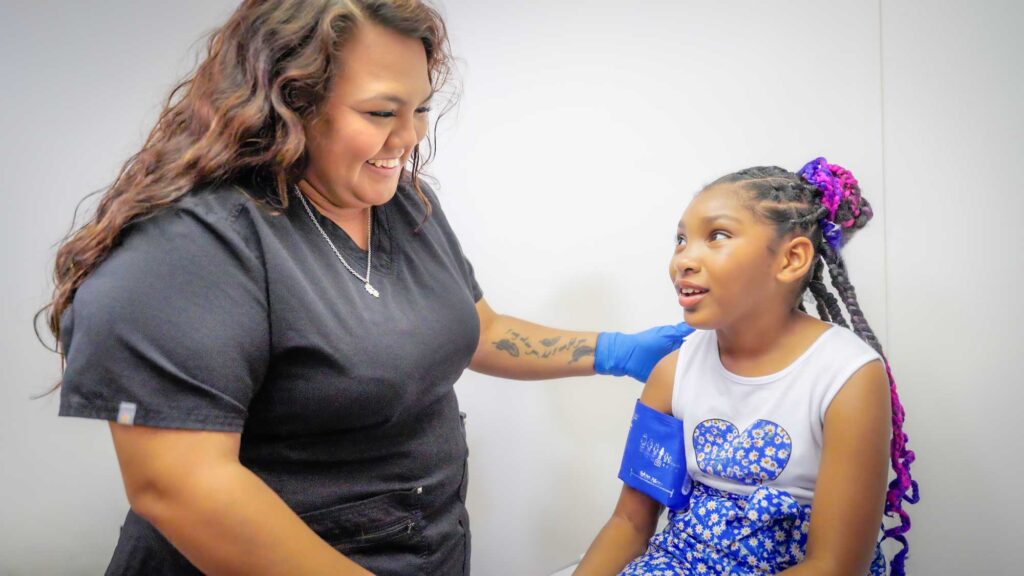
- Type 2 Diabetes:You can also develop Type 2 diabetes at any age, but it’s most common in adults over 45. However, rising obesity rates mean more children, teens, and young adults are being diagnosed each year. It develops gradually when the body becomes resistant to insulin or doesn’t make enough of it. Common signs include:
- Increased thirst and frequent urination
- Persistent fatigue or sluggishness
- Blurred vision
- Slow-healing cuts or frequent infections
- Tingling, numbness, or pain in hands or feet
- Darkened skin patches (around the neck or armpits)
- Unexplained weight changes
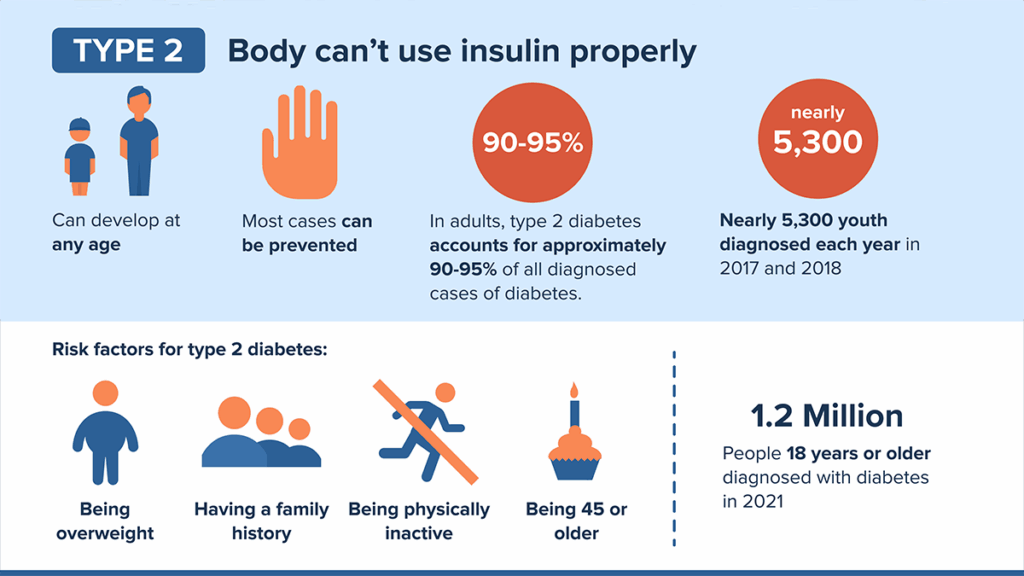
Source: U.S. Centers for Disease Control; cdc.gov - Gestational Diabetes: Gestational diabetes develops only during pregnancy and can affect women of any age, but is more common in women over 25, especially those with a family history of diabetes. While it usually goes away after delivery, it increases the risk of developing Type 2 diabetes later in life for both mother and child. Common signs include:
- Sugar found in urine during prenatal visits (Need prenatal care or support during pregnancy? Learn more about our women’s health and prenatal services here.)
- Increased thirst and frequent urination
- Fatigue or extreme tiredness
- Nausea or dizziness
- Blurred vision
Common Myths About Diabetes
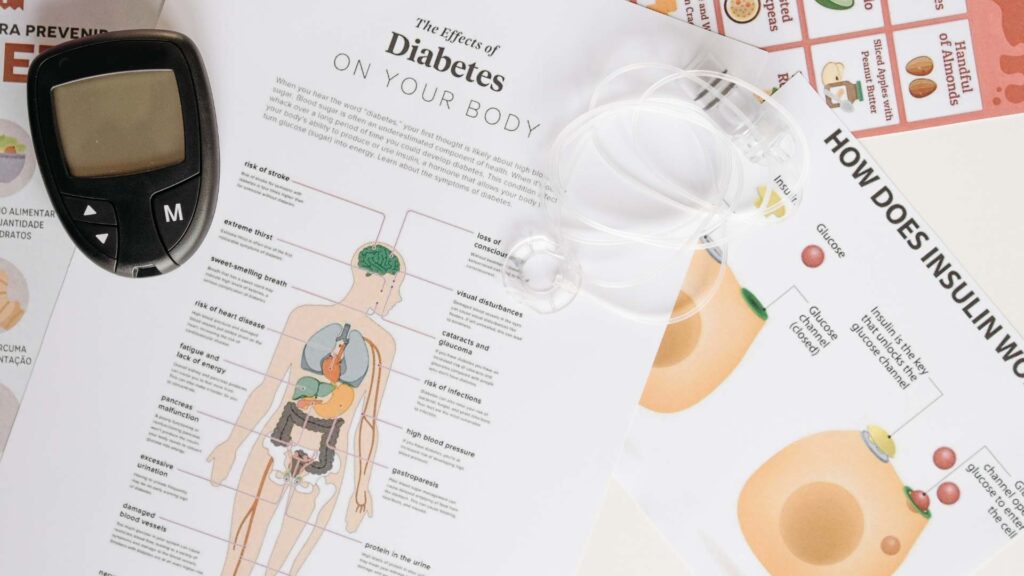
Misinformation can make managing diabetes harder and delay care. The American Red Cross highlights several common myths that continue to circulate in our communities, and the facts that help set the record straight!
Myth: “Only older people get diabetes.”
Truth: Diabetes can affect anyone: children, teens, and adults alike. In fact, more young people are being diagnosed with Type 2 diabetes every year.
Myth: “If you feel fine, you don’t need testing.”
Truth: Diabetes can remain silent for years before symptoms appear. Regular screenings are vital, even if you feel healthy.
Myth: “Diabetes is a death sentence.”
Truth: With treatment, education, and healthy habits, people can live full and active lives.
Watch our patient Pedro’s story to see how our Diabetes Management Program helped them take control of their health and continue thriving!

Diabetes Care Available at Community Health Centers of South Central Texas
We believe prevention and management should be simple, affordable, and accessible for everyone. Our Diabetes Management Program focuses on whole-person care, helping patients understand their diagnosis, create healthier habits, and manage diabetes effectively at every stage of life.
Our diabetes services include:
- Personalized Care Plans for diabetic and pre-diabetic patients
- Free Nutrition Counseling with registered dietitians for diagnosed patients
- Retinal Eye Screenings for early detection of diabetic eye complications
- Cost Assistance & Discounted Medications for eligible patients
- Virtual and In-Person Visits for convenient access to care
- Comprehensive Primary Care, including medical, dental, and behavioral health services.
Nearly 228,000 Texans are newly diagnosed with diabetes every year, but with education, awareness, and early care, we can change those numbers together! Whether you’re managing diabetes, at risk, or simply want to understand your options, the Community Health Centers of South Central Texas and our caring providers are here to guide and support you every step of the way. Call 800-343-1577 or find your clinic and schedule an appointment today.
References
- Centers for Disease Control and Prevention (CDC): Signs and Symptoms of Diabetes, About Type 1 Diabetes, About Type 2 Diabetes, About Gestational Diabetes
- American Diabetes Association (ADA): Texas Diabetes Statistics, 2025
- National Institute of Diabetes and Digestive and Kidney Diseases (NIDDK): Symptoms & Causes of Diabetes
- Cleveland Clinic: Type 2 Diabetes Symptoms
- Johns Hopkins Medicine: Diabetes in Older Adults
- Nemours KidsHealth: Type 1 Diabetes in Children